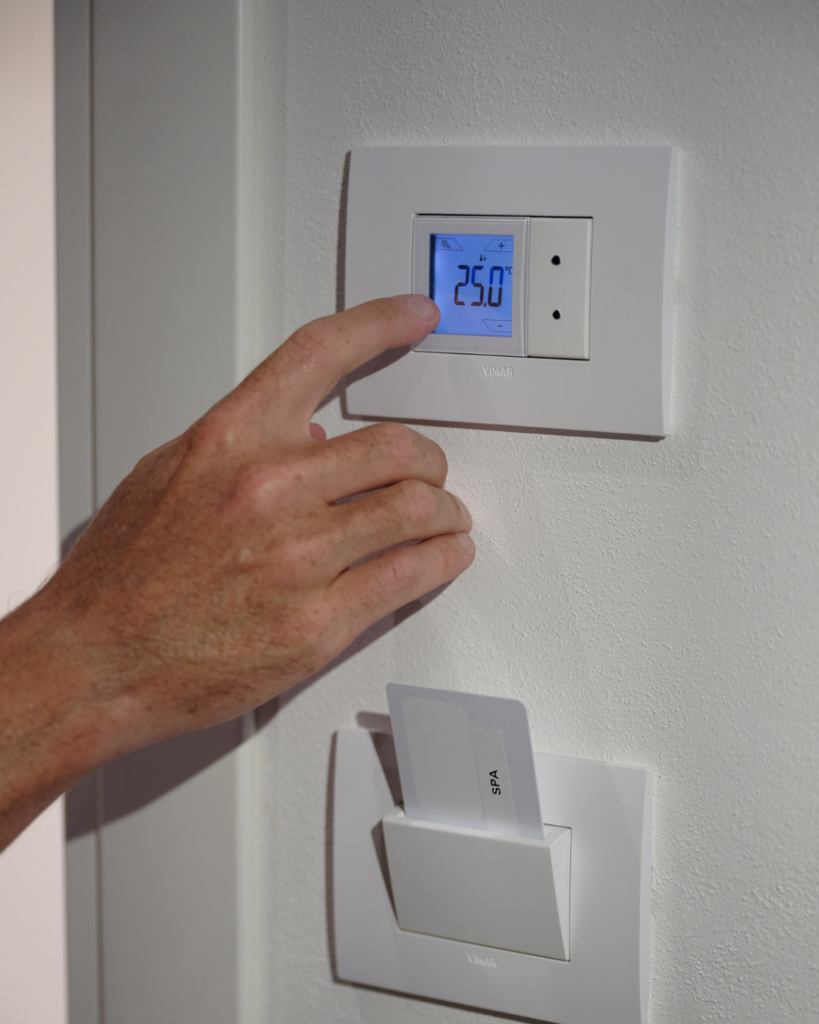
When it comes to constructing a hotel or a large building, attention often focuses on the most visible elements: interior design, architecture, furnishings, the guest experience. Yet the real quality of a building depends on what you can’t see.
Behind every efficient hotel lies a complex technological infrastructure made up of electrical systems, security systems, HVAC, automation, data networks and energy management. An ecosystem that must operate continuously, in a coordinated and reliable way.
That is why the most important phase of a building services project is never the installation itself, but the preliminary design.
Why you should involve your technical partner from the start
One of the most common mistakes on large construction sites is bringing in the building services partner when many structural decisions have already been made.
In reality, the early phase is the decisive one. This is when decisions are made that will affect:
- energy efficiency and reduced consumption
- operational continuity
- scope for future expansion
- maintenance management
- user comfort
- long-term operating costs
Every technical choice must work in harmony with the architectural design and the operational needs of the building.
In the hospitality sector, for example, building systems must support the staff’s daily work without interfering with the guest experience. Technology should be present, but invisible.
Coordinating complex systems
In a modern hotel, dozens of different technologies coexist:
- Building Automation
- access control
- video surveillance
- smart lighting
- structured cabling
- fire protection systems
- HVAC
- energy management
The real value doesn’t lie in any single technology, but in the ability to integrate them into one coherent system. When building systems are designed without an integrated vision, the result is an increase in:
- day-to-day operational inefficiencies
- communication problems between different systems
- management costs
- longer response times in the event of a fault
Conversely, coordinated design improves the reliability, control and sustainability of the entire building.
The construction site as an organisational process
Large projects require far more than technical skills alone.
Every project develops alongside the work of numerous other contractors, meeting strict deadlines and constantly adapting to the needs of the site.
For this reason, organisation and coordination become strategic.
Having an established technical team, documented processes and dedicated project management staff helps reduce operational issues and keep control over project progress.
An effective system keeps working over time
The quality of a building system isn’t measured only on commissioning day, but by its ability to ensure operational continuity for years, reducing faults, consumption and emergency interventions.
That is why post-installation service is a fundamental component:
- scheduled maintenance
- technical support
- system upgrades
- operational support
Because in large buildings, true efficiency is built over time, not just during construction.
If you’d like to find out how to turn your hotel into an efficient and secure space, visit our website Comimpianti and contact us for a personalised consultation.