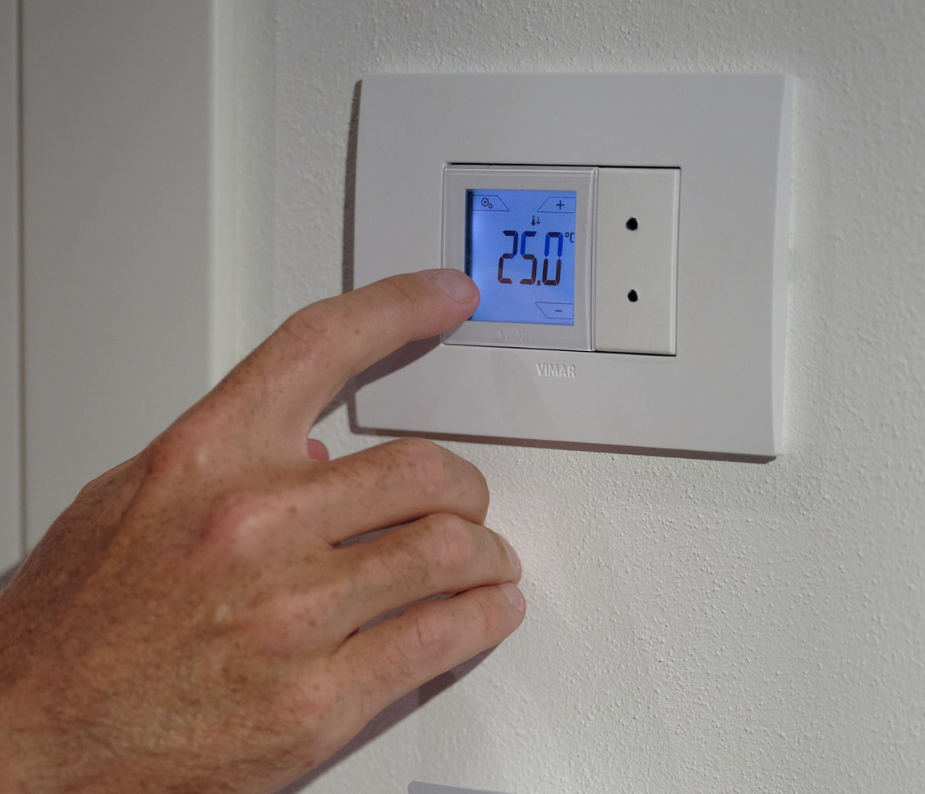
Electrical design is undergoing a structural transformation. It is no longer just about sizing lines, switchboards, and protections, but about designing integrated systems capable of managing energy, data, and automation.
Today, the Smart Building concept represents the synthesis of electrical infrastructure, digitalization, and energy sustainability.
From traditional systems to integrated
In traditional buildings, the electrical system performed a distributive function: powering loads and ensuring safety.
In the Smart Building model, however, the system becomes:
- a platform for real-time data collection
- a continuous monitoring system to prevent faults
- infrastructure for automation
- a central element in energy management
Design is no longer static, but dynamic.
One of the pillars of the Smart Building is the intelligent control of electrical loads. Through supervision systems, it is possible to:
- analyze power consumption in real time
- prevent overloads
- distribute energy in a balanced way
- reduce consumption peaks
This approach enables not only efficiency but also greater infrastructure reliability.
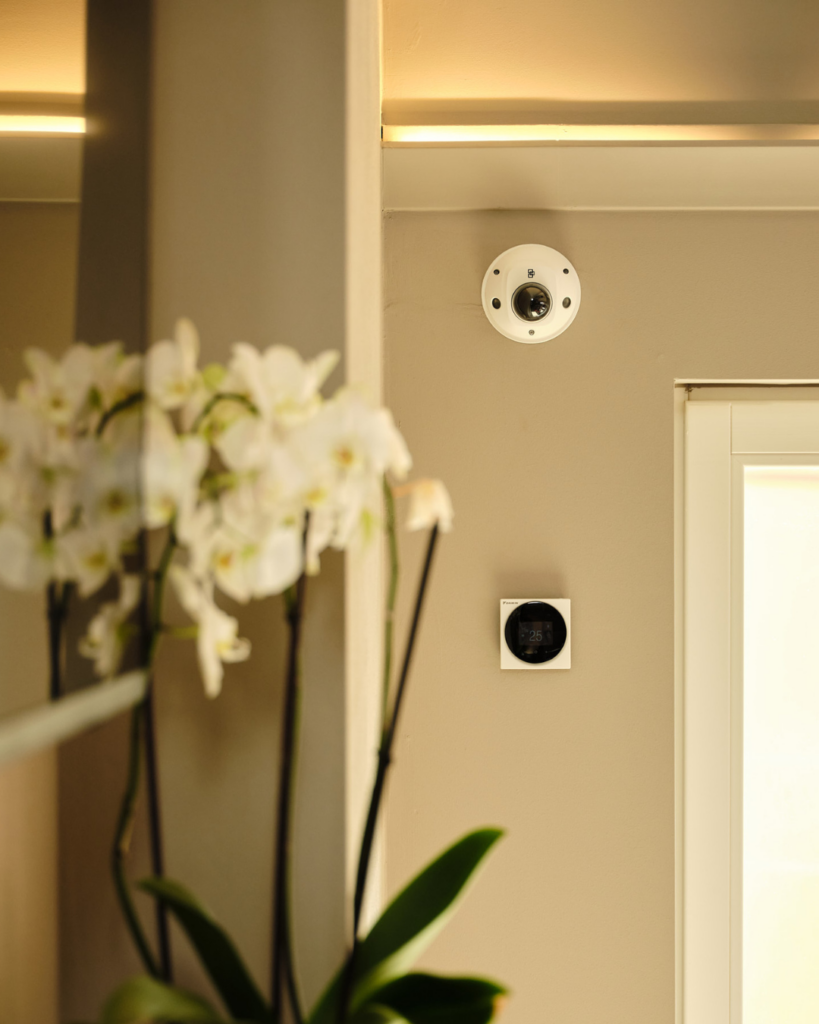
Integration with energy production
The intelligent building integrates photovoltaic systems, storage systems and, increasingly, charging infrastructure for electric vehicles.
Modern electrical design must provide for:
- bidirectional energy management
- self-consumption optimization by regulating loads in relation to self-produced energy
- dynamic load priority
The internal network becomes an energy ecosystem.
Automation and comfort
In residential and commercial contexts, the Smart Building integrates:
- lighting control
- security and access control
- automated scenarios
It is not just about comfort, but operational efficiency.
Smart Building and energy regulations
European directives on efficiency and digitalization are driving toward increasingly high-performance buildings.
Electrical design today must consider:
- readiness for digitalization
- integrated data infrastructure
- certifiable performance monitoring
The system becomes a strategic element in energy classification.
The Smart Building is not a collection of intelligent devices, but an evolved design approach.
The new frontier of electrical design consists of integrating energy, automation, and data into a single, coherent architecture.
The future of the building lies in its infrastructure.
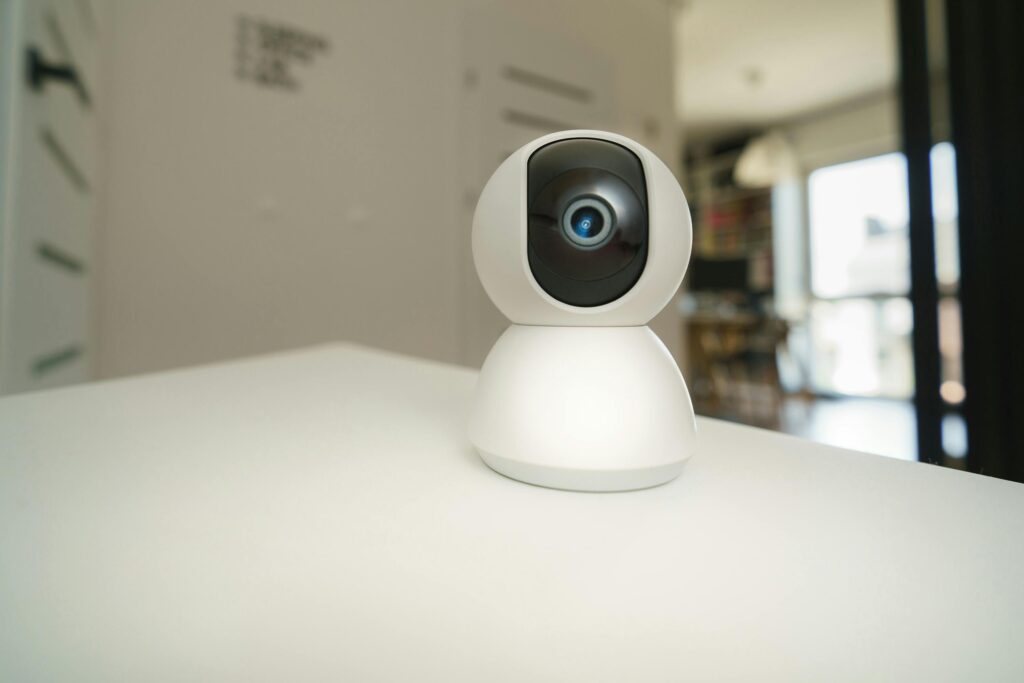
If you want to discover how to transform your home or office into a smart, efficient, and secure space, visit our Comimpianti website and contact us for a personalized consultation