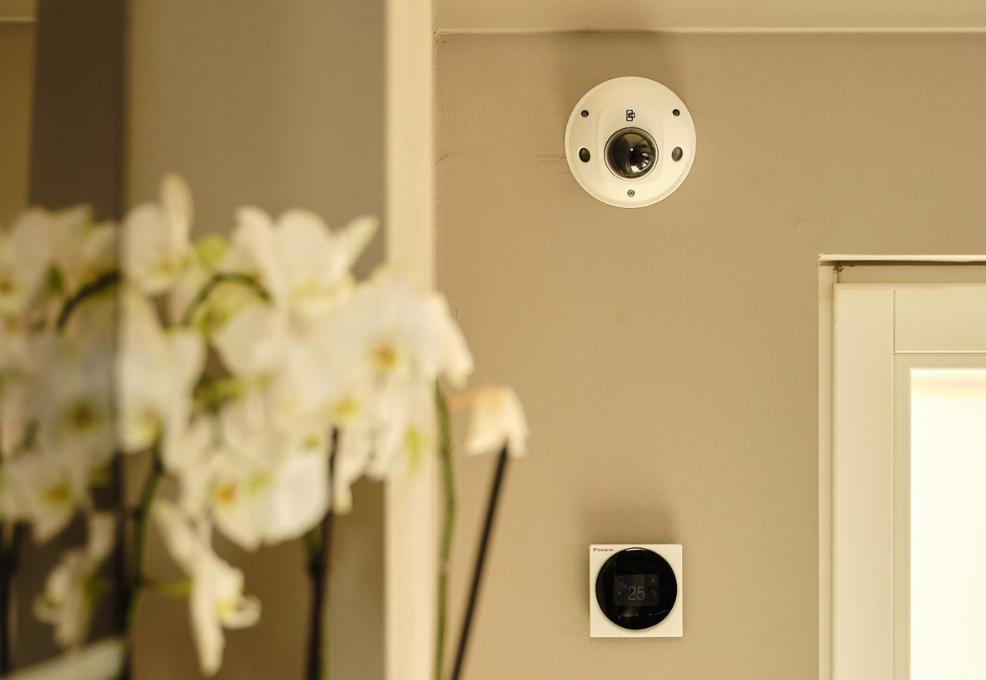
In the world of technological systems, safety is often perceived as a consequence: something that occurs at the end, when the system is switched on and running. In reality, it is exactly the opposite. Safety is a prerequisite. It is a choice made much earlier, while the project is still on paper.
Every electrical system, every video surveillance system, and every automation solution is born from a series of technical decisions. Line sizing, the selection of protection devices, load assessment, and the provision for the building’s future evolution: these are the elements that determine the real level of safety.
Simply sticking to regulatory compliance is not enough. A system can be formally compliant and yet not be adequate for current or future needs. Conscious design requires a broader vision: planning for expansions, integrating intelligent systems, considering operational continuity, and reducing the risk of interruptions.
In corporate and industrial settings, this aspect is even more evident. An electrical failure is not just an inconvenience; it can result in downtime, loss of productivity, economic damage, and, in the most serious cases, risks to people. Safety, therefore, is not only about protection from accidents, but also about the stability of the entire system.
With the spread of Smart Buildings and home automation, the concept expands further. Today, a building is not just wired: it is connected. This means that safety is no longer just electrical or physical, but also digital. A system designed without attention to data protection or access management can become vulnerable.
Designing for safety means integrating technical expertise, strategic vision, and the ability to anticipate future scenarios. It is a silent, often invisible job, but it is what determines the real quality of an infrastructure.
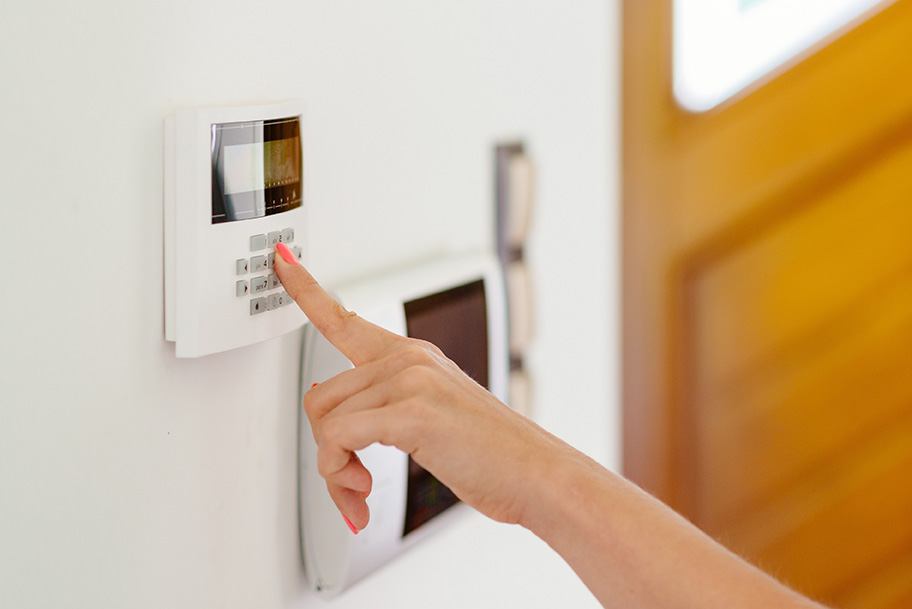
If you want to discover how to transform your home or office into an efficient and safe space, visit our Comimpianti website and contact us for a personalized consultation